
Xcode 26.3: Agentic Coding with Claude & Codex
Xcode 26.3 brings Agentic Coding! Use Claude & Codex directly in the IDE. Agents solve complex tasks, fix builds, and use MCP…
Read articleTagged articles
Autonomous AI agents, MCP integrations, and agentic workflows. Learn how AI agents are transforming automation, coding, and business processes.
Clear explanations, hands-on workflows and independent context for better AI decisions.
Xcode 26.3 brings Agentic Coding! Use Claude & Codex directly in the IDE. Agents solve complex tasks, fix builds, and use MCP…
Read article
Airtable Superagent replaces simple chats with coordinated teams of agents. Parallel research, synthesis, and integration directly into your workflows.
Read article
OpenClaw automates your PC via WhatsApp & Co. The open-source agent uses browsers, CLI & files for real tasks. Local, hackable &…
Read article
When AI agents surf the web, security vulnerabilities arise. OpenAI unveils new protections against URL-based attacks and prompt injection.
Read article
OpenAI provides deep technical insights into the Codex Agent Loop. Learn how models, tools, and prompts are orchestrated in the CLI.
Read article
First insights into GPT-5.2: Netomi demonstrates how to build scalable, agent-based systems for businesses using the latest models.
Read article
OpenAI publishes details on GPT-5.2 codex. The new model includes specialized security measures against prompt injections and for agent workflows.
Read article
With their “Agent-Native Commerce” concept, Mirakl and OpenAI are defining a revolutionary approach that goes far beyond traditional chatbots. The autonomous AI…
Read article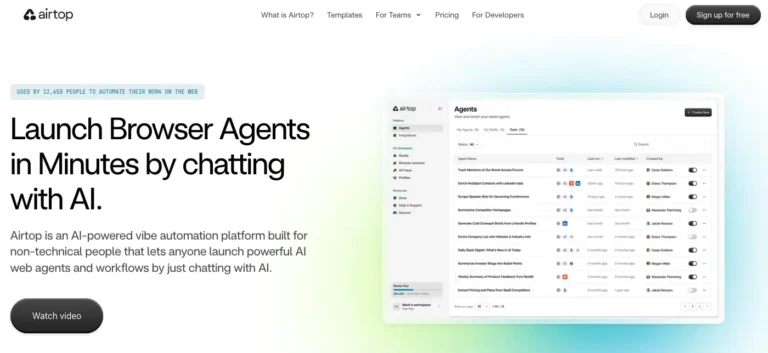
AI-supported web automation is at a turning point: for the first time, platforms such as Airtop enable non-technicians to create complex browser…
Read article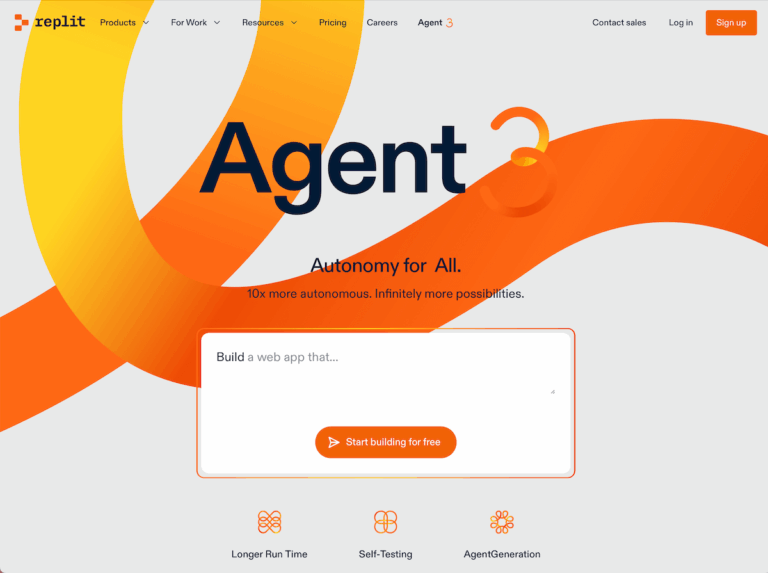
The new Replit Agent 3 automates, integrates and tests independently created code. Now with extended thinking, high-power models and automation. The agent…
Read article