TL;DR
Prompt engineering is the skill of writing structured instructions that get AI models to deliver accurate, useful results. In 2026, the discipline has evolved from simple “tricks” to a core professional skill used across industries.
How AI Rockstars evaluates prompt engineering advice
AI Rockstars evaluates prompt engineering patterns by testing whether they improve output quality, reduce ambiguity, and make results easier to review in real workflows. We prefer prompts that define the role, task, context, constraints, examples, and output format instead of relying on vague wording. Recommendations are written as reusable decision rules so readers can adapt them to ChatGPT, Claude, Gemini, and other LLM tools.
- Core principle: Structure beats length. A clear 3-line prompt outperforms a vague 30-line one
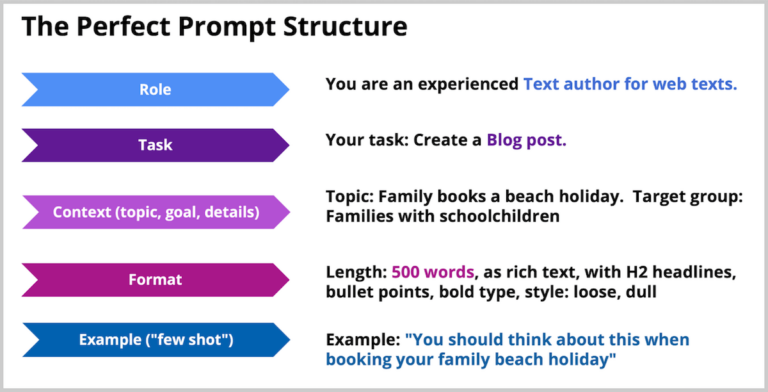
- 5-step framework: Role, Task, Context, Format, Example — works across all major models
- Key shift in 2026: The focus has moved from “prompt engineering” to “context engineering” as models got better at reading intent
- Model differences matter: Claude responds best to XML tags, GPT-5 to conversational style, Gemini to direct, short instructions
📖 This article is part of our comprehensive ChatGPT guide. Read the full guide →
Bottom Line: You don’t need to be a developer. Anyone who works with AI benefits from learning these techniques. The difference between a mediocre and a great prompt is usually 30 seconds of additional thought.